Nature Check
Overview
The first ecological health assessment of its kind for the East Bay, this NatureCheck report is a science-based, landscape-scale assessment of the ecological health of native plants and wildlife within East Bay Stewardship Network partner agency lands.
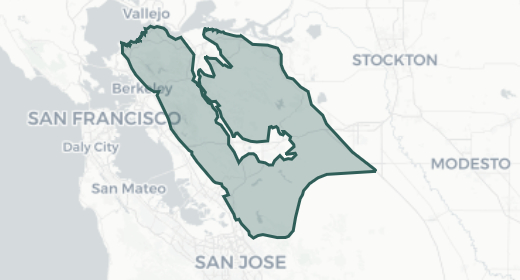
225,000 acres in the Network, roughly 25% of Alameda and Contra Costa counties, habitat for over 200 protected species and 24 plant communities.
17 indicators including fish, amphibians, birds, mammals, and plant communities.
5 participating partners including the East Bay Regional Park District, California State Parks, Contra Costa Water District, East Bay Municipal Utility District, and San Francisco Public Utilities Commission
Overall Health Summary
To understand the health of our East Bay ecosystems, EBSN identified key ecological indicator species and communities and assessed their condition. These indicators include fish, amphibians, reptiles, birds, mammals, and plant communities, and were selected because they provide essential ecological function or habitat and can be measured.
Approximately every 5 years EBSN will re-assess and update the condition and trend of these indicators, and assess how confident we are about the data. The latest findings are summarized below. For more information on a particular indicator you can click on the name to view the indicator details page.
Indicator Health Conditions
Click on the bars or numbers below, or select a condition from the dropdown to see related indicators and their health.


Indicator Condition:


NatureCheck
NatureCheck: Understanding Wildlife Health on East Bay Lands in Alameda and Contra Costa Counties was inspired by the work of OneTam’s Peak Health report that assessed the ecological health of Mount Tamalpais in the North Bay. The East Bay needed an ecological health assessment of its own that analyzed our own species and habitats and the unique stressors they face. NatureCheck is intended to guide us toward better management by revealing trends that are often only possible to detect with long–term monitoring. For more information on the original NatureCheck report see:
- NatureCheck press release
- NatureCheck report (PDF)
- NatureCheck report appendices (PDF)
- Compass Summer 2022 (Pages 12-15)
Additional Resources